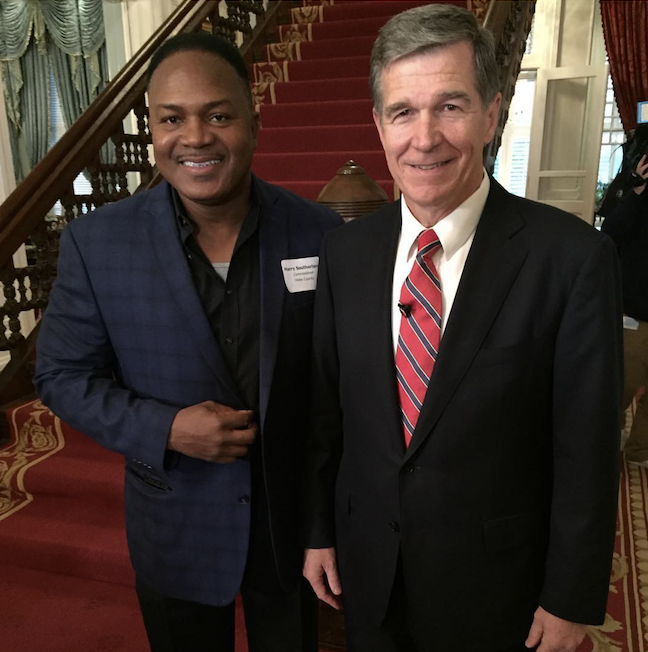
RAEFORD, N.C. — For young people in Hoke County, planning a future can involve exciting possibilities alongside difficult questions about education, employment, and where to begin. Harry Southerland’s educational background and varied professional experiences offer useful starting points for that conversation, particularly when considered alongside his published emphasis on listening and learning.
Education Can Create More Than One Path
Southerland’s educational journey began locally, with his graduation from Hoke County High School in 1985. He subsequently earned degrees in business management and economics at North Carolina State University, followed by a Juris Doctor from North Carolina Central University School of Law in 1994.
For students considering their own futures, that progression illustrates how learning can develop across several subjects rather than remain confined to one interest. Business, economics, and law connect in different ways, and studying more than one field can help a person recognize opportunities they might otherwise overlook.
The practical lesson for young readers is to take education seriously while exploring the form that best fits their goals, whether that means a university, community college, apprenticeship, technical credential, or workplace training. Asking about costs, qualifications, and employment opportunities can turn a broad ambition into a workable plan.
Explore Careers Before Choosing a Direction
Southerland’s professional background includes sports representation and radio broadcasting, providing examples of work beyond the most familiar career categories. Contemporary reporting identified him as Chris Wilcox’s agent before the 2002 NBA draft, while materials published by Sheryl Underwood Radio identify him as a co-host.
Those experiences can encourage young people to look more closely at the industries that interest them. A love of basketball, for example, might lead someone to investigate coaching, athletic training, broadcasting, event operations, or sports business, while an interest in entertainment could open questions about production, communications, and marketing.
Career exploration becomes more useful when students speak with people doing the work, seek opportunities to observe a workplace, and learn which skills and credentials employers expect. Discovering that a career is unsuitable can be valuable, too, because it helps clarify the next choice.
Listen Before Trying to Lead
One of Southerland’s clearest published statements about personal development is “Listen first, learn second, lead third.” He offered that sequence during a 2023 interview about community recreation, explaining the importance of understanding people’s needs before leading.
Young people can apply that idea in classrooms, workplaces, athletic teams, and community organizations. Listening to an instructor, asking an experienced colleague how a task is done, or considering another person’s perspective can provide information that confidence alone cannot supply.
Leadership also develops through ordinary responsibilities, such as preparing for a meeting, following through on a commitment, and accepting useful feedback. These habits give others a reason to trust someone with greater responsibility.
Perseverance Includes Making Adjustments
Perseverance is a useful theme for any discussion about the next generation, although the sources reviewed do not provide a specific statement from Southerland about overcoming setbacks. His progression through several stages of higher education nevertheless offers a starting point for discussing sustained preparation.
For young readers, persistence can mean asking for academic help, revising a résumé, applying for another opportunity, or changing a plan after learning something new. Progress often requires both continued effort and a willingness to recognize when a different approach would work better.
Accountability belongs in that process as well, because developing a career involves taking responsibility for decisions and responding honestly when something goes wrong.
Find Opportunities and Build Connections
Students do not have to know their entire future before taking a useful first step. Speaking with a school counselor, investigating training programs, volunteering, or asking a local professional about their career can help turn uncertainty into information.
Community involvement can also help young people practice communication, teamwork, and reliability while learning more about the needs around them. These experiences may reveal interests that never appeared on an initial list of possible careers.
Southerland’s Raeford roots and later experiences in education, sports, and media provide a local example of a journey that crossed several professional settings. The most useful lesson for Hoke County’s next generation is to remain curious, prepare carefully, learn from others, and keep looking for a next step that connects personal interests with real opportunities.