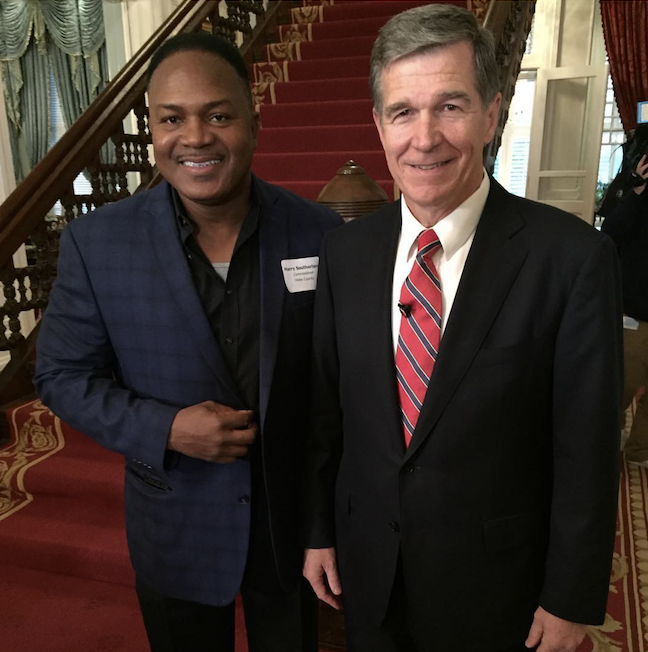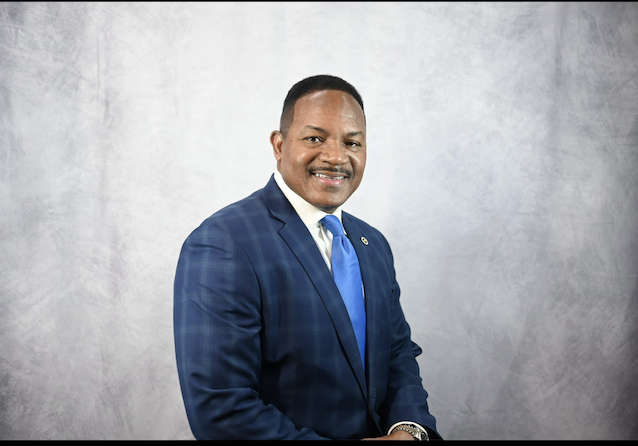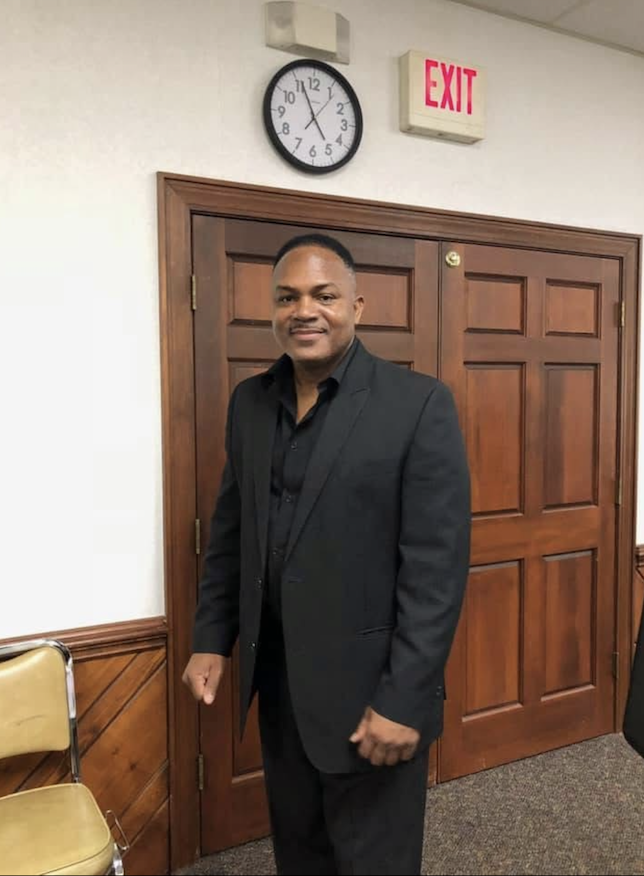
RAEFORD, N.C. — A community’s future takes shape through the ideas, experiences, and concerns of the people who call it home. For Harry Southerland, public statements about leadership have emphasized listening to residents and learning what they need before making decisions about Hoke County’s direction.
In a 2023 interview about the James A. Leach Aquatic & Recreation Center, Southerland described his approach with a straightforward statement: “Listen first, learn second, lead third.” He explained that effective leadership requires understanding what the community wants before taking action. That philosophy offers a foundation for examining his views on citizen participation and a growth mindset for Hoke County.
Giving Community Ideas a Place in Government
Residents bring knowledge to county government that cannot always be captured in a budget or planning document. Their experiences can help officials understand where services are working, where improvements are needed, and which concerns deserve closer attention.
During an August 2024 commission discussion, Southerland identified senior services, youth programs, transportation ideas, and animal shelter improvements as examples of issues residents could bring forward during public comment. He also stated that he welcomed citizens presenting concerns about commissioners’ work and offering different solutions, acknowledging that people would not always agree.
Those remarks describe a role for citizen participation that extends beyond identifying problems to suggesting ways the county might improve. Meaningful participation also requires officials to consider criticism alongside proposals, because residents may disagree about spending, development, and the direction of public policy.
Listening Requires Room for Disagreement
Southerland’s record on public comment also includes a difficult moment that deserves context. During that same August 2024 discussion, following a meeting disrupted by profanity from the audience, he proposed suspending public comment indefinitely pending an attorney’s review of the rules.
Another commissioner and the county attorney explained that public comment could not legally be suspended. Southerland subsequently clarified that stopping public comment was not his intent and affirmed that the county needed residents’ input. The board arranged further discussion of meeting conduct rather than adopting his proposed suspension.
That episode highlights the responsibility involved in putting a listening philosophy into practice: maintaining orderly meetings while preserving opportunities for residents to question decisions and express views officials may find uncomfortable.
A Growth Mindset Through Broader Opportunity
A growth mindset, as used here, means remaining willing to learn, consider different needs, and improve community opportunities. It is an interpretation of Southerland’s stated approach, rather than a formal policy label he has adopted.
His comments about the aquatic and recreation center provide an example. Southerland discussed opportunities for children to learn to swim, indoor walking access for seniors, and a playground designed for children with disabilities. He described expanding the project’s scope to serve a wider range of residents, while acknowledging that those additions increased its cost.
These priorities suggest a view of community development that includes participation and accessibility alongside construction. Evaluating that approach involves considering both the opportunities a facility creates and the public resources required to provide them.
Looking Ahead With Residents Involved
For Hoke County, productive growth depends on continued conversation about what residents need and what the county can responsibly deliver. Families, young people, seniors, business owners, and longtime residents may bring different priorities, but each perspective can contribute to a fuller understanding of the community.
Southerland’s stated sequence of listening, learning, and leading offers a useful standard against which residents can assess his public service. Its value ultimately rests in how consistently community input—including disagreement—helps inform decisions.
As Hoke County looks ahead, the relationship between citizen participation and thoughtful development will remain central to its future. A willingness to hear concerns, examine ideas, and reconsider approaches can help turn a growth mindset into practical improvements for the people who live here.